If you are trying to choose between Olde Del Mar and Beach Colony, you are not really choosing between two different towns. You are choosing between two distinct ways to live within the same small coastal city. That can feel surprisingly nuanced, especially when both areas offer ocean proximity and a classic Del Mar setting. This guide will help you compare walkability, home character, privacy, noise, and seasonal rhythm so you can better understand which fit may feel right for you. Let’s dive in.
Why These Two Areas Feel Different
Del Mar is compact at about 2.2 square miles with roughly 4,200 residents, yet it welcomes more than 2 million visitors each year. That small footprint matters because even subtle shifts in elevation, street layout, and public activity can create a very different day-to-day experience.
In city planning terms, the historic Village core functions as a pedestrian-oriented center, while North Beach is the city’s term for Beach Colony. In simple terms, Olde Del Mar is tied more closely to the Village and hillside streets above Camino del Mar, while Beach Colony is tied more closely to direct beach access, flatter streets, and a more active sand-level setting.
Olde Del Mar Lifestyle
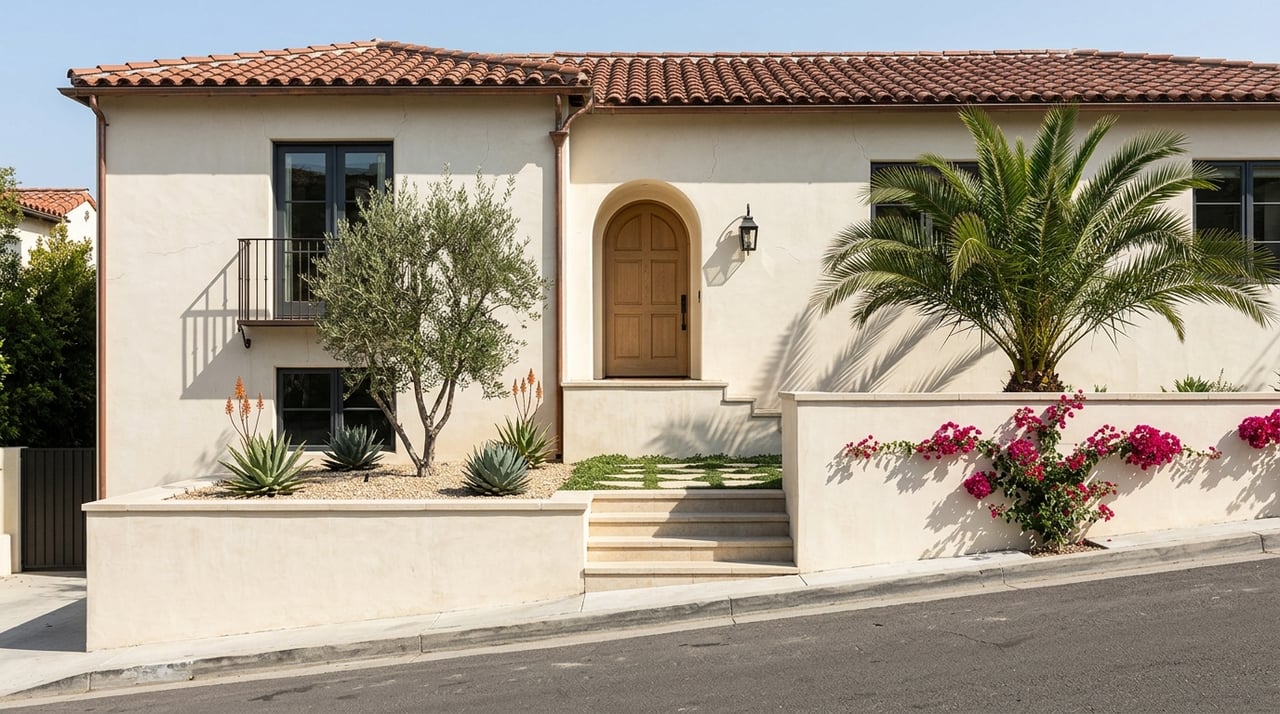
Olde Del Mar is best understood as the village-edge and hillside side of Del Mar. It offers close access to the central core, but the topography and lot pattern create a more layered residential feel.
Village Access in Olde Del Mar
One of the strongest draws in Olde Del Mar is how close you are to the Village. City materials describe the Village as a place you can explore without needing a car, with shops, restaurants, services, and boutique hotels accessible on foot or by bike.
For many buyers, that means you can enjoy a walkable coastal routine without being directly in the middle of the busiest beachfront streets. If you like the idea of morning coffee, dinner out, or a quick stroll through town, this part of Del Mar often supports that lifestyle well.
Hillside Homes and Lot Design
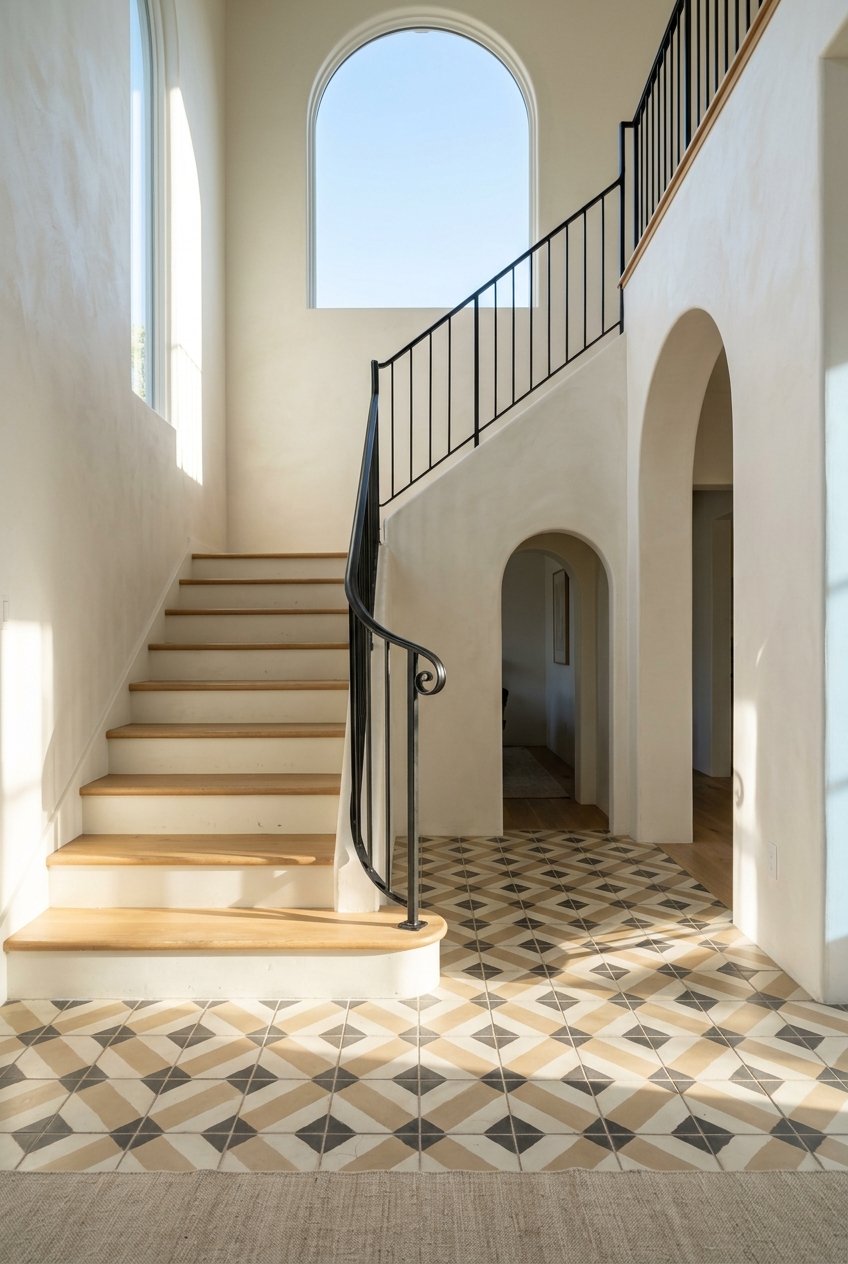
Olde Del Mar also has a very specific physical character. The city’s design guidance for hillside areas encourages homes to work with the natural grade, often with terraced or split-level forms and placement on the lower portion of the lot.
That tells you a lot about the neighborhood feel. Homes here are shaped by slope sensitivity and view considerations, which often creates a more elevated and layered setting than you find closer to the sand.
Privacy and Daily Feel
Because of that hillside layout, Olde Del Mar often feels more buffered and private. The streets and elevations can separate homes from the busiest beach traffic while still keeping you close to the Village.
That said, proximity to the central district can still bring activity. Areas near Camino del Mar may feel the effects of downtown parking demand, visitor traffic, and general village energy, especially at peak times.
Beach Colony Lifestyle
Beach Colony offers a very different version of Del Mar living. If Olde Del Mar feels elevated and village-connected, Beach Colony feels immediate, compact, and closely tied to the beach itself.
Beach Access in Beach Colony
Beach Colony sits within Del Mar’s most beach-focused public area. Del Mar has more than two miles of sandy shoreline, and North Beach extends north of 29th Street to the Solana Beach border.
If your ideal day includes easy walks to the sand, frequent surf sessions, beach runs, or time outdoors near the shore, Beach Colony puts that lifestyle front and center. This is the part of Del Mar that feels most directly connected to everyday beach use.
Streets, Lots, and Home Pattern
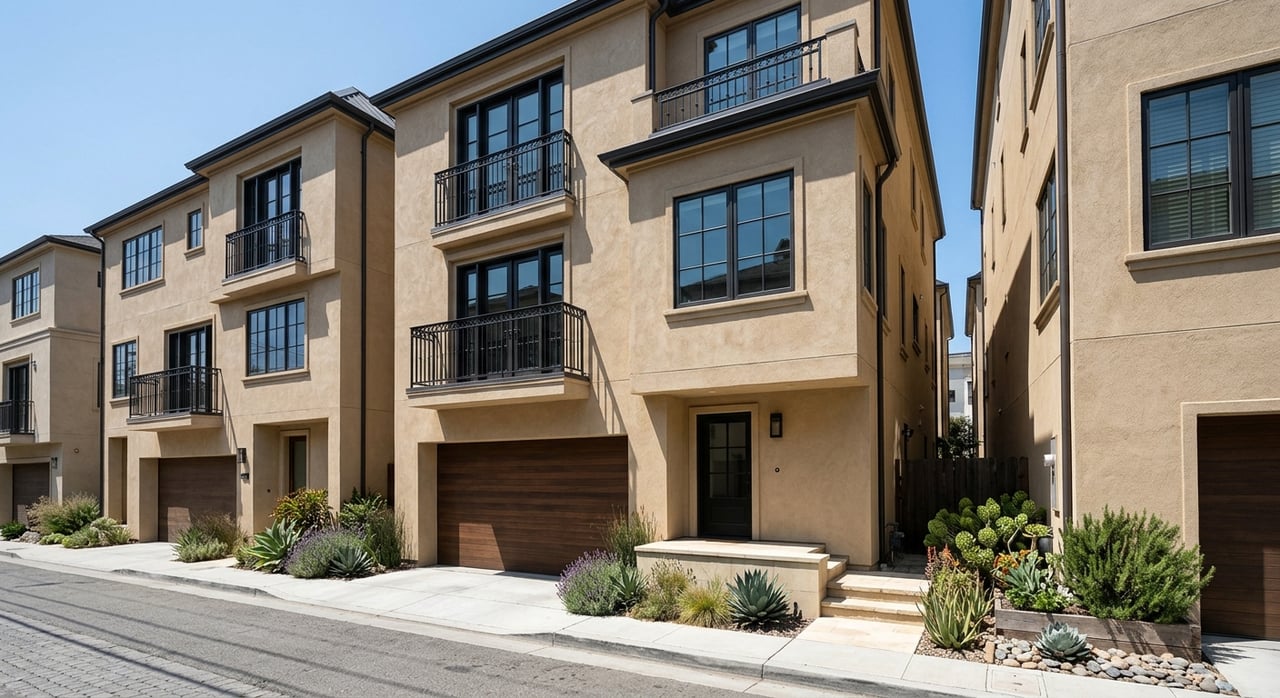
The city describes North Beach as having relatively high density, little topographic variation, a grid street pattern, narrow streets, and small lots with minimal setbacks. There is also a broader mix of home forms, with more multifamily development appearing farther east.
Compared with Olde Del Mar, this creates a tighter, more compact neighborhood experience. Instead of hillside placement and layered grades, you get a flatter and more closely spaced street environment.
Public Activity and Seasonal Pressure
Beach Colony’s appeal comes with more public activity. Because it sits in one of Del Mar’s highest-use coastal corridors, it is more exposed to beachgoers, visitors, dog walkers, and seasonal parking turnover.
The city notes that parking enforcement runs year-round and extends later into the evening between Memorial Day and Labor Day. That gives you a practical clue about what summer feels like here. It is a notably busier period in beachfront areas.
Walkability: What Kind Do You Want?
Both neighborhoods are walkable, but they support different routines. That distinction is important if you are trying to match your home search to how you actually want to live.
Olde Del Mar Walkability
Olde Del Mar is generally the better fit if you want walkability tied to daily errands, dining, coffee, and browsing the Village. The pedestrian-oriented core is one of the area’s defining traits.
This is the kind of walkability that supports an everyday neighborhood rhythm. You may not be stepping right onto the sand, but you are well positioned for a convenient village-centered lifestyle.
Beach Colony Walkability
Beach Colony is also very walkable, but in a different way. Here, the value is less about village errands and more about quick beach access and the public coastal environment.
If your idea of walkability starts with the shoreline, Beach Colony may feel more natural. If it starts with dining, shopping, and a central village atmosphere, Olde Del Mar may be the stronger match.
Privacy, Noise, and Parking
For many buyers, this is where the real decision starts to come into focus. Both neighborhoods are desirable, but the experience of living in each can differ quite a bit.
Olde Del Mar Trade-Offs
Olde Del Mar often provides more privacy, especially on hillside streets above the Village. The topography creates some separation from the most heavily used public areas.
Still, being near the Village has trade-offs. Downtown activity, event traffic, and parking demand can still affect certain locations, particularly those closer to the central corridors.
Beach Colony Trade-Offs
Beach Colony tends to be more exposed to public movement and parking pressure. Narrow streets, minimal setbacks, and direct access to popular beach areas all contribute to a more active street-level environment.
The city’s Downtown Parking Management Plan notes that on-street parking is often fully or nearly fully occupied at peak times on peak days in areas including Stratford Court and Coast Boulevard. For some buyers, that is part of the beach-town energy. For others, it may feel like a meaningful lifestyle consideration.
Seasonal Rhythm in Del Mar
Both neighborhoods share Del Mar’s coastal climate, but they can feel different in how that climate shows up in daily life. The Pacific helps moderate temperatures, and coastal cloud cover is common in spring and early summer.
In practical terms, Beach Colony tends to feel more seasonally beach-driven because you are closer to the sand, visitor patterns, and public shoreline activity. Olde Del Mar still feels distinctly coastal, but it can feel a bit more insulated from the busiest parts of that seasonal cycle.
Which Lifestyle Fits You Best?
If you are deciding between the two, it helps to think less about prestige or labels and more about your everyday routine. The right fit usually comes down to how you want your home to connect with the surrounding environment.
Olde Del Mar may be the better fit if you want:
- Close access to the Village
- A more elevated or layered residential setting
- More privacy and separation from beach traffic
- A walkable lifestyle centered on dining, shops, and services
Beach Colony may be the better fit if you want:
- Immediate access to the beach
- A flatter, denser neighborhood pattern
- A stronger sand-level coastal feel
- A lifestyle that embraces more public activity and seasonal energy
Neither is universally better. They simply offer different versions of Del Mar living, and that is exactly why this comparison matters.
If you want help sorting out which Del Mar lifestyle best fits your goals, or if you are preparing to buy, sell, rent, or request a home valuation in North County coastal San Diego, connect with Patrick Brown.
FAQs
What is the main lifestyle difference between Olde Del Mar and Beach Colony?
- Olde Del Mar is more connected to the Village and hillside residential setting, while Beach Colony is more closely tied to direct beach access, flatter streets, and heavier beach-related activity.
Is Olde Del Mar or Beach Colony more walkable in Del Mar?
- Olde Del Mar is generally better for village-style walkability to shops, dining, and services, while Beach Colony is more walkable for beach access and coastal recreation.
Are homes in Olde Del Mar different from homes in Beach Colony?
- Yes. Olde Del Mar is shaped more by hillside design and view-sensitive lot placement, while Beach Colony has a flatter grid pattern, smaller lots, narrower streets, and tighter setbacks.
Does Beach Colony feel busier than Olde Del Mar?
- In general, yes. Beach Colony is in a high-use coastal corridor with more public beach activity, parking turnover, and seasonal visitor traffic.
Is Olde Del Mar more private than Beach Colony?
- It often is, especially on hillside streets above the Village, where the topography can create more separation from the busiest public areas.
How does summer affect life in Beach Colony and Olde Del Mar?
- Beach Colony typically feels more seasonally active because of its direct connection to the beach, while Olde Del Mar tends to feel somewhat more buffered even though both areas share the same coastal climate.
Which Del Mar neighborhood is better for a village lifestyle?
- Olde Del Mar is usually the better fit if you want a pedestrian-oriented setting tied to the Village, including easier access to dining, shops, and everyday services.