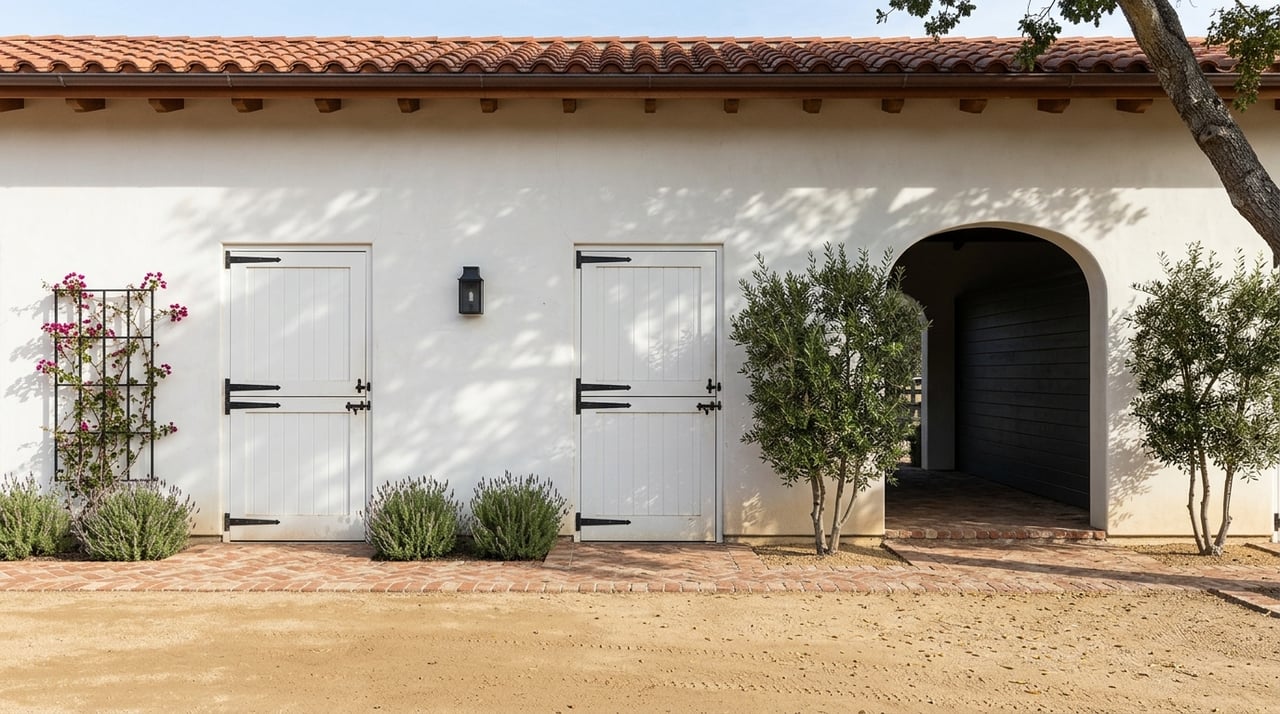
Looking for a home that fits both your golf routine and your equestrian lifestyle can feel surprisingly complicated. In Rancho Santa Fe, those two worlds are not side features. They are woven into the land, the trails, the clubs, and the way the community has been planned for decades. If you want to understand how Rancho Santa Fe supports golf and horse-centered living, this guide will walk you through the key areas, property character, and daily lifestyle rhythms that shape the market. Let’s dive in.
Why Rancho Santa Fe Stands Out
Rancho Santa Fe is a historic country-residential community with roots that go back to 1928. According to the Rancho Santa Fe Association, the community spans about 10 square miles, or 6,730 acres, and has roughly 4,300 residents. The Covenant remains a defining part of the area, helping preserve landscape character, architecture, and community standards.
This is not a place where golf or equestrian use was added later as a marketing feature. The community’s design, open space, and oversight reflect a long-term vision centered on rural character, privacy, and low-density estate living. The Association also notes that it functions much like a small city, with its own planning, building, parks and recreation, and 24-hour security services.
California State Parks also recognizes Rancho Santa Fe as a Historic Planned Community. Its early development became closely tied to Spanish Colonial Revival architecture, with Lilian Rice playing a major role in shaping many of the buildings that still define the area’s visual identity.
Golf Living in Rancho Santa Fe
The Covenant golf connection
For many buyers, the Covenant is the first place to look when golf access is a priority. Rancho Santa Fe Golf Club is one of the community’s best-known golf anchors, and the club states that membership is available only to homeowners within the Rancho Santa Fe Covenant. That ownership connection matters if club access is a key part of your buying decision.
The course opened in 1929 and was designed by Max Behr. The club is also known as the original home of the Crosby Clambake, which adds to its long-standing place in local golf history. Beyond the course itself, the club highlights a relaxed clubhouse setting that fits the easy rhythm many buyers want from Rancho Santa Fe living.
Other golf-oriented enclaves
The Rancho Santa Fe market also includes communities shaped by private club life beyond the Covenant core. The Farms Golf Club brings another strong golf identity to the area, with an exclusive private club focused entirely on golf. The club describes its course as an award-winning championship layout developed across 240 acres.
The Bridges at Rancho Santa Fe offers a different version of golf-centered living. The community includes about 240 homes across 545 acres of rolling hills, and its club describes the setting as a golf, social, and wellness retreat. For buyers who want a club-oriented environment with a more defined enclave feel, The Bridges often enters the conversation.
Equestrian Life Is Built In
Trails are part of the lifestyle
Rancho Santa Fe’s equestrian identity is not symbolic. The Rancho Santa Fe Association maintains a private trail system for members and their accompanied guests, and horseback riding is a permitted use. The trail rules also state that horses have the right-of-way, which tells you a lot about how seriously the community supports horse use.
The Association says Covenant residents enjoy nearly 60 miles of equestrian and pedestrian trails. That trail network helps create a daily rhythm that feels different from many other luxury communities in coastal San Diego. Instead of separating recreation from residential life, Rancho Santa Fe blends the two.
Horse-friendly community character
Association regulations directly tie horse keeping and riding to Rancho Santa Fe’s rural identity. Official materials describe the area’s character as including the private keeping of horses, riding through open spaces, and narrow roads without sidewalks in most areas outside the village center. For buyers seeking a true estate setting with equestrian access, that context matters.
You also see that support in community facilities. The Association describes Osuna Ranch as a historic ranch with walking paths, grass pastures, and equestrian boarding. Rancho Riding Club adds another layer, serving the community since 1946 with boarding, training, private instruction, summer camps, multiple arenas, inside box stalls, and outside corrals.
What Homes Tend to Offer
Larger lots and estate spacing
Rancho Santa Fe’s physical layout supports the golf and equestrian lifestyle in practical ways. The Association says the community is defined by rolling topography, spacious low-density development, and an average lot size of more than two acres. That larger-lot pattern gives many properties a sense of separation, privacy, and flexibility.
For you as a buyer, that often means homes are not just close to lifestyle amenities. They are part of a broader estate environment shaped by land, landscaping, and space. This is one reason Rancho Santa Fe appeals to buyers who want more than a clubhouse address.
Architecture that follows community standards
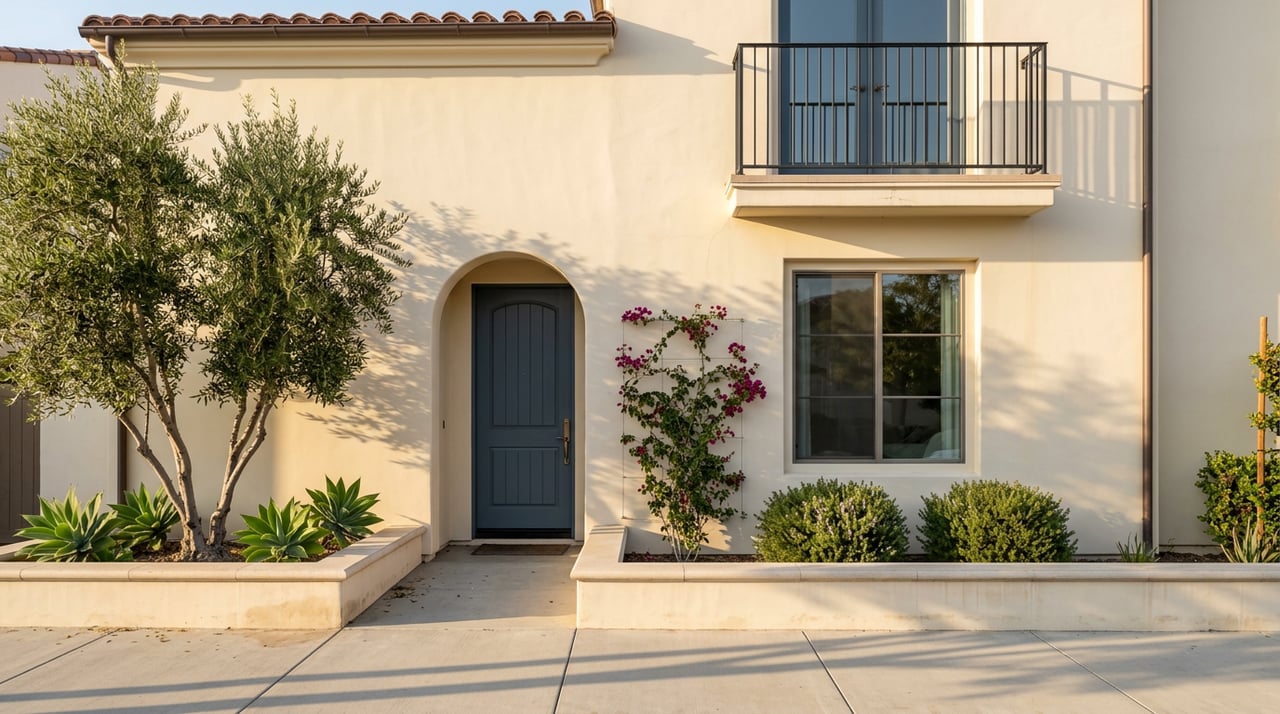
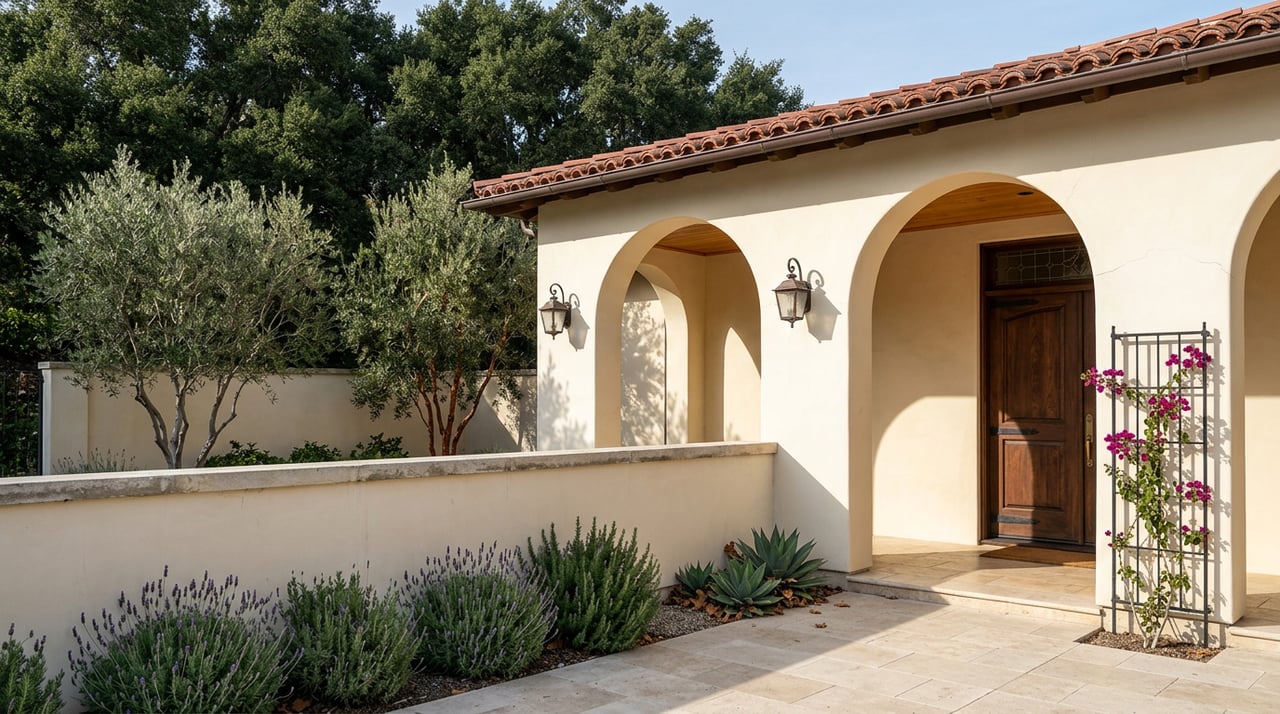
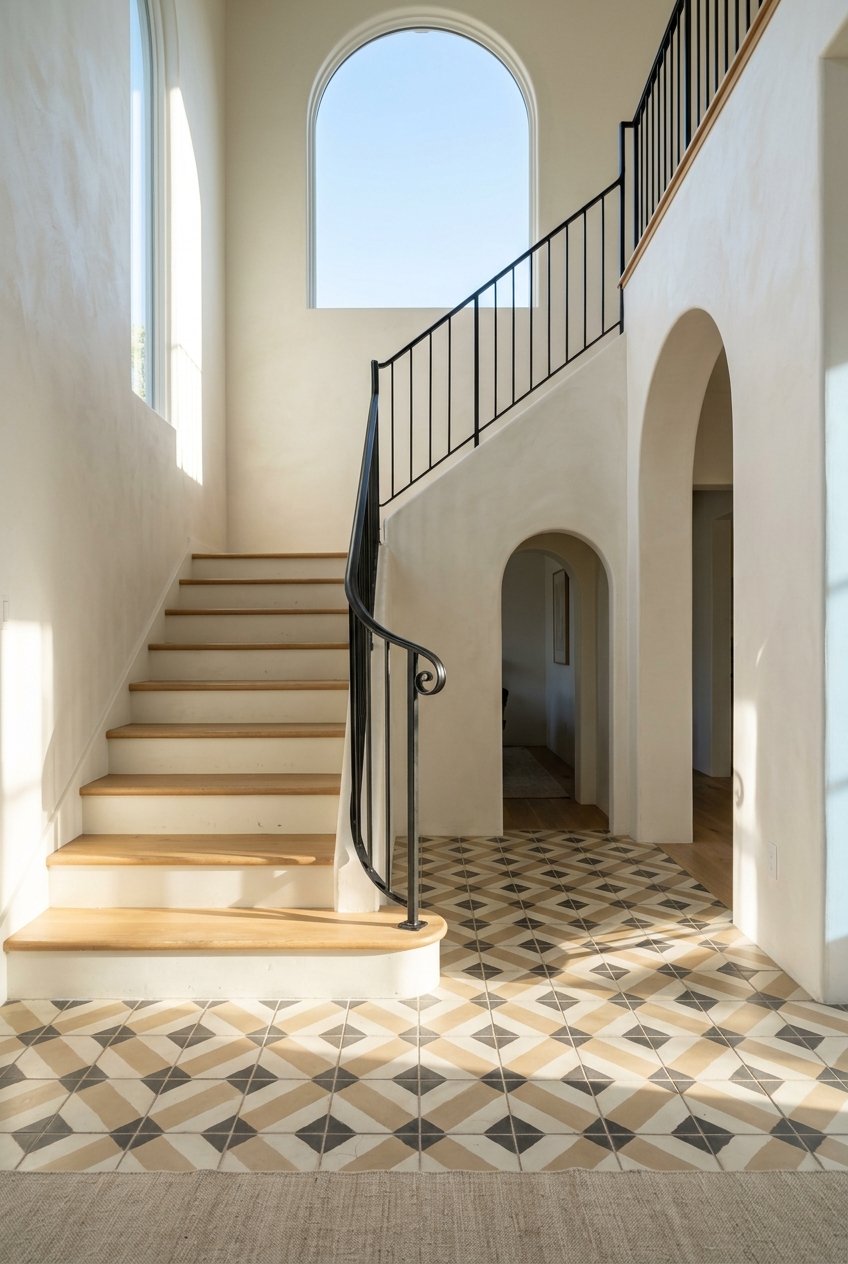
The homes here also reflect a strong design tradition. Association materials identify Spanish Colonial Revival, California Ranch, Monterey, Mediterranean, and other Hispanic-influenced styles as part of Rancho Santa Fe’s established architectural vocabulary. In The Bridges, design influences also include Italian Country, Country French, and Spanish Eclectic elements.
Exterior changes are reviewed by the Art Jury and the Building and Planning Department to help preserve architectural quality and visual consistency. For homeowners, that review structure can be an important part of protecting long-term character. It also means the look and feel of the community is guided with unusual care.
The Daily Rhythm of Life
A club-and-trails routine
The appeal of Rancho Santa Fe often comes down to how a normal day feels. Official community materials point to a lifestyle built around golf, trails, horses, tennis, hiking, parks, fields, social clubs, and clubhouse dining. That mix creates a pace that feels active without being hurried.
You might spend a morning on the trails, an afternoon on the course, and an evening at the clubhouse or in the Village. The Rancho Santa Fe Golf Club even highlights lunches after trail rides and dinners after a round of golf, which captures how naturally these activities can fit together.
The Village adds convenience
The Village of Rancho Santa Fe serves as the community’s commercial and social center. According to the Association, it includes shops, restaurants, businesses, and the historic Rancho Santa Fe Inn. For residents, that central hub adds convenience without changing the area’s broader country-residential feel.
This balance is part of what makes Rancho Santa Fe distinct. You get rural landscape character and estate spacing, but you also have a recognizable center for daily errands, dining, and social connection.
What Buyers Should Consider
If you are exploring Rancho Santa Fe homes for golf and equestrian life, it helps to focus on a few practical questions early:
- Do you want ownership within the Covenant because golf club access is important to you?
- Is direct access to the private trail system a top priority?
- Would you prefer an estate property with room and privacy, or a club-oriented enclave like The Bridges?
- Are horse facilities, boarding access, or riding instruction part of your day-to-day needs?
- How important is historic architectural character versus a more tailored enclave style?
These questions can help narrow your search in a market where lifestyle fit matters as much as square footage.
Why Lifestyle Fit Matters Here
In many communities, golf and equestrian living are separate categories. In Rancho Santa Fe, they often overlap. The land planning, trail network, architectural review, club structure, and community facilities all support a lifestyle that feels intentional and long established.
That is why home searches here benefit from a more nuanced approach. You are not just comparing houses. You are comparing access, setting, design standards, and the kind of daily routine each property can support.
If you are considering a move to Rancho Santa Fe, working with a broker who understands golf-oriented communities, private club culture, and North County luxury housing can make the search more focused and efficient. If you are planning to buy, sell, rent, or need a complimentary home valuation, Patrick Brown offers personalized guidance with a calm, consultative approach.
FAQs
Is Rancho Santa Fe a good place for golf-focused homeowners?
- Rancho Santa Fe is strongly associated with golf-centered living, especially in the Covenant, where Rancho Santa Fe Golf Club membership is available only to property owners within the Covenant.
Are horses allowed in Rancho Santa Fe?
- Rancho Santa Fe’s official trail rules permit horseback riding, support horse use on the private trail system, and community regulations describe horse keeping and riding as part of the area’s rural character.
How many trails are available in Rancho Santa Fe?
- The Rancho Santa Fe Association says Covenant residents enjoy nearly 60 miles of equestrian and pedestrian trails.
What kinds of home styles are common in Rancho Santa Fe?
- Common architectural styles include Spanish Colonial Revival, California Ranch, Monterey, Mediterranean, and other Hispanic-influenced designs, with some enclaves also featuring Italian Country, Country French, and Spanish Eclectic influences.
What is The Bridges at Rancho Santa Fe like?
- The Bridges is a club-oriented enclave with about 240 homes on 545 acres of rolling hills, designed to preserve privacy, visual order, and architectural compatibility.
What makes Rancho Santa Fe different from other luxury communities in San Diego County?
- Rancho Santa Fe stands out for its historic planning, large-lot estate pattern, private trail system, golf and equestrian culture, architectural oversight, and long-established rural residential character.