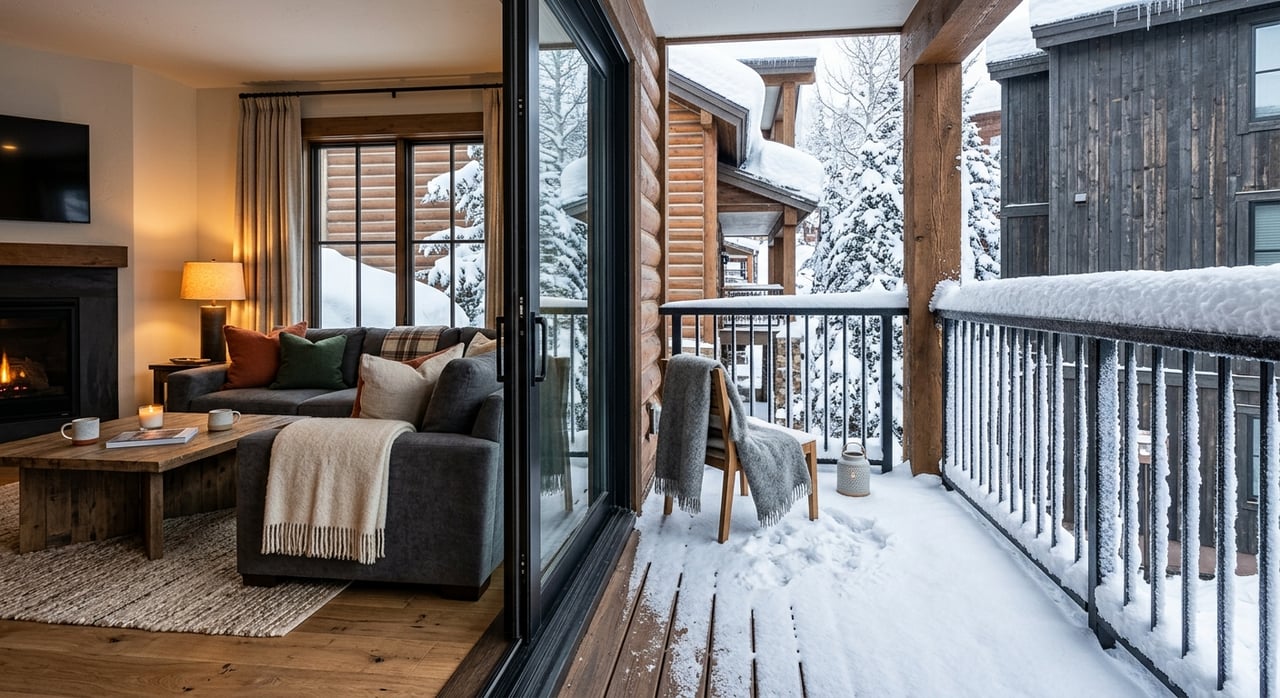
Thinking about trading beach weekends for mountain weekends? If you live in San Diego and have been eyeing Mammoth Lakes, you are not alone. A second home here can give you a true four-season escape, but it also comes with mountain-specific costs, travel logistics, and rental rules that deserve a careful look. This guide will help you think through what to buy, what to budget for, and what to verify before you move forward. Let’s dive in.
Why Mammoth Lakes appeals to San Diego buyers
Mammoth Lakes offers something many second-home markets do not: meaningful use across multiple seasons. According to Mammoth Mountain, the resort features 3,500 skiable acres, about 300 sunny days per year, and a season that typically runs from November into June. The mountain also adds a summer bike park, which helps extend the property’s usefulness beyond winter.
For you as a San Diego buyer, that flexibility matters. A Mammoth property can serve as a ski base in winter, a cool-weather retreat in summer, or a mix of both. That makes it less about owning a rarely used vacation home and more about creating a lifestyle asset you may actually use throughout the year.
Understand the San Diego-to-Mammoth trip
Before you fall in love with a listing, it helps to be realistic about the distance. Mammoth Mountain’s travel planner puts San Diego about 389 miles from Mammoth Lakes, with Highway 395 serving as the main north-south route. This is not a casual day trip, so ease of access should be part of your buying decision.
Driving takes planning
If you expect to drive often, winter conditions need to be part of your ownership plan. The Town of Mammoth Lakes roadway conditions page notes that conditions can change quickly and advises drivers to carry chains and check Caltrans for current restrictions.
Parking also matters more here than it might in coastal San Diego. Winter street parking is generally not allowed from November 1 through April 30, so a garage, covered parking, or an assigned space can add real convenience.
Flying can make ownership easier
If you want a more flexible travel option, flying may be worth factoring into your search. The official Mammoth travel page notes that Advanced Air flies between Mammoth Yosemite Airport and Carlsbad or Hawthorne-LA, while United serves Bishop, which is about 45 minutes south of Mammoth Lakes.
That same travel page says Mammoth Yosemite Airport is about 12 minutes from town. It also notes that winter weather can divert flights to Bishop, so having a backup transportation plan is smart.
In-town transit can reduce car dependence
Once you arrive, you may not need to drive much at all. Mammoth’s free mountain shuttle system includes year-round buses, a winter night trolley, and routes connecting the Village, Main Street, Mammoth Hospital, Vons, Canyon Lodge, Eagle Lodge, and Tamarack Lodge.
For weekend use, this can make a big difference. Condos near the Village or near shuttle-connected lodge areas may be especially practical if you want easier arrivals, simpler ski days, and less dependence on winter driving.
What prices look like in Mammoth Lakes
If you are used to San Diego pricing, Mammoth will still require a wide budget range depending on property type and location. Redfin’s Mammoth Lakes market page says the median sale price was $915,000 last month, with a median price per square foot of $654 and average days on market at 43.5. Redfin describes the market as somewhat competitive.
That baseline is useful, but the spread is wide. Public listing examples in the research show entry-level condos in the low $400,000s, mid-market resort condos in roughly the $749,000 to $900,000 range, and detached homes from around $1.5 million to well above that.
Compare condos, townhomes, and homes
Your best fit usually comes down to how you plan to use the property.
Condos often suit weekend use
For many San Diego second-home buyers, a condo is the easiest entry point. Lower-maintenance living, easier lock-and-leave ownership, and access to shuttle routes can make condos especially attractive if you plan to visit for long weekends or holiday trips.
The research also shows that condo HOA dues can bundle services absentee owners often value, including snow removal, trash, building maintenance, common-area care, ski lockers, pool or spa access, and high-speed internet. That convenience has real value when you live hundreds of miles away.
Detached homes offer privacy but more responsibility
A detached home may make more sense if your priority is privacy, personal use, and a more traditional mountain-home experience. Some single-family properties may have no HOA at all, which can reduce monthly dues.
Still, lower dues do not always mean lower ownership costs. Without an HOA, you may be handling more directly, including exterior upkeep, snow issues, and more hands-on property oversight.
HOA dues are not just a footnote
One of the biggest mistakes second-home buyers make is focusing too much on purchase price and not enough on total carrying cost. In Mammoth, HOA dues can be a major part of that equation. Sample listings in the research show dues ranging from a few hundred dollars per month to roughly $1,000 or more in some resort-oriented buildings.
That means you are not simply comparing one condo to another. You are comparing convenience, maintenance support, parking, amenities, and how easy the property will be to own from San Diego.
Rental income can help, but rules come first
If you hope to offset costs with short-term rentals, Mammoth can offer opportunity, but only if the property is legally eligible and operationally workable.
Zoning matters before anything else
The Town of Mammoth Lakes says short-term rentals are generally allowed only in certain zones, including Commercial, Residential Multi-Family 2, Resort, and Specific Plan zones. They are generally not allowed in RSF, RR, and RMF-1 zones.
This is one of the first questions to answer before you underwrite any projected rental income. If nightly rentals are part of your plan, verify zoning early.
Compliance is active and specific
The town also requires a Certified Property Authorization Number to advertise or rent stays under 31 days, along with a Town-approved inspection and annual renewal. If you self-manage, the town says you need a Business Tax Certificate, while managed properties can operate under the manager’s certificate.
The same town resource explains that owners remain responsible for compliance. It also states that occupancy is based on a formula of two guests per bedroom plus two additional guests, and that non-compliant ads may face administrative citations up to $5,000.
Taxes affect your cash-flow model
If you are evaluating rental potential, be sure to account for local taxes and assessments. The town’s Transient Occupancy Tax information states that Mammoth charges a 15% Transient Occupancy Tax on transient stays, and that the tax also applies to mandatory fees such as cleaning and resort fees. Lodging businesses also pay a 1% TBID assessment on gross short-term room rental revenue.
For you, that means projected gross income is not the same as usable net income. Any realistic analysis should include taxes, HOA dues, utilities, insurance, snow-related costs, and management.
Seasonality should shape your purchase
Mammoth is a true seasonal market, and that can be a positive if your expectations match reality. Winter and summer each bring different patterns of use, travel, maintenance, and rental demand.
Mammoth Mountain says the ski season typically runs from November into June, while the bike park is scheduled to open in late May and operate through mid-September, conditions permitting. That creates two distinct high-use periods rather than just one peak season.
A property that feels ideal in January may feel very different in August. That is why it helps to think beyond listing photos and imagine actual ownership in both snow season and summer.
A smart due diligence checklist
Before you buy, focus on the items that matter most for long-distance ownership:
- Verify the property’s zoning and whether nightly rentals are legally allowed.
- Review HOA CC&Rs for rental restrictions, parking rules, pet rules, and storage limits.
- Budget for the full carrying cost, including dues, insurance, utilities, snow-related expenses, and any TOT or TBID obligations if renting.
- If possible, see the property in both winter and summer so you can assess parking, access, and seasonal maintenance.
- Identify a local manager or 24-hour contact if the property will be rented or left vacant for long stretches.
For many San Diego buyers, the cleanest fit is a condo or townhome in a permitted zone with manageable HOA dues and strong shuttle access. A detached home can still be the right choice, but it usually works best when personal use and privacy matter more than maximizing rental efficiency.
How to think about the right fit
The best Mammoth second home is not always the one with the biggest deck, the newest finishes, or the highest rental projections. It is the one that matches how you actually plan to use it. If you picture quick ski weekends and simple lock-and-leave ownership, a well-located condo may serve you better than a larger home with more upkeep.
If you want a more private retreat for extended stays, a detached property may be worth the added complexity. The key is to balance lifestyle, convenience, compliance, and carrying costs before you commit.
If you are exploring how a Mammoth purchase fits into your broader real estate goals in San Diego, a thoughtful strategy matters. Patrick Brown offers concierge-style guidance designed to help you weigh lifestyle priorities, ownership costs, and long-term fit with clarity and confidence.
FAQs
What makes Mammoth Lakes attractive for San Diego second-home buyers?
- Mammoth offers four-season use, with skiing typically running from November into June and summer recreation adding another strong period of use.
How far is Mammoth Lakes from San Diego for second-home travel?
- Mammoth Mountain’s travel planner lists San Diego at about 389 miles from Mammoth Lakes, so most buyers should treat it as a planned weekend or vacation trip rather than a quick getaway.
What property type works best for a Mammoth Lakes second home?
- For many buyers, condos and townhomes are the easiest to own because they can offer lower maintenance, bundled services, and access to shuttle routes.
Can you use a Mammoth Lakes second home as a short-term rental?
- Sometimes, but only if the property is in a zone where short-term rentals are generally allowed and the home complies with the town’s licensing and inspection requirements.
Why do HOA dues matter so much in Mammoth Lakes?
- HOA dues may cover services that are especially useful for long-distance owners, such as snow removal, trash, exterior maintenance, and shared amenities.
What should San Diego buyers verify before buying in Mammoth Lakes?
- You should verify zoning, rental rules, HOA restrictions, parking arrangements, total carrying costs, and who will manage or monitor the property when you are away.